PVD coating,
decorative and functional.
A thin, hard, chemically bonded layer applied under vacuum: colour and brilliance for decorative work, hardness and tool life for industry. Nineteen colours on stainless steel, brass and other metals, and the full functional family from TiN to DLC, coated in Istanbul.
What PVD is
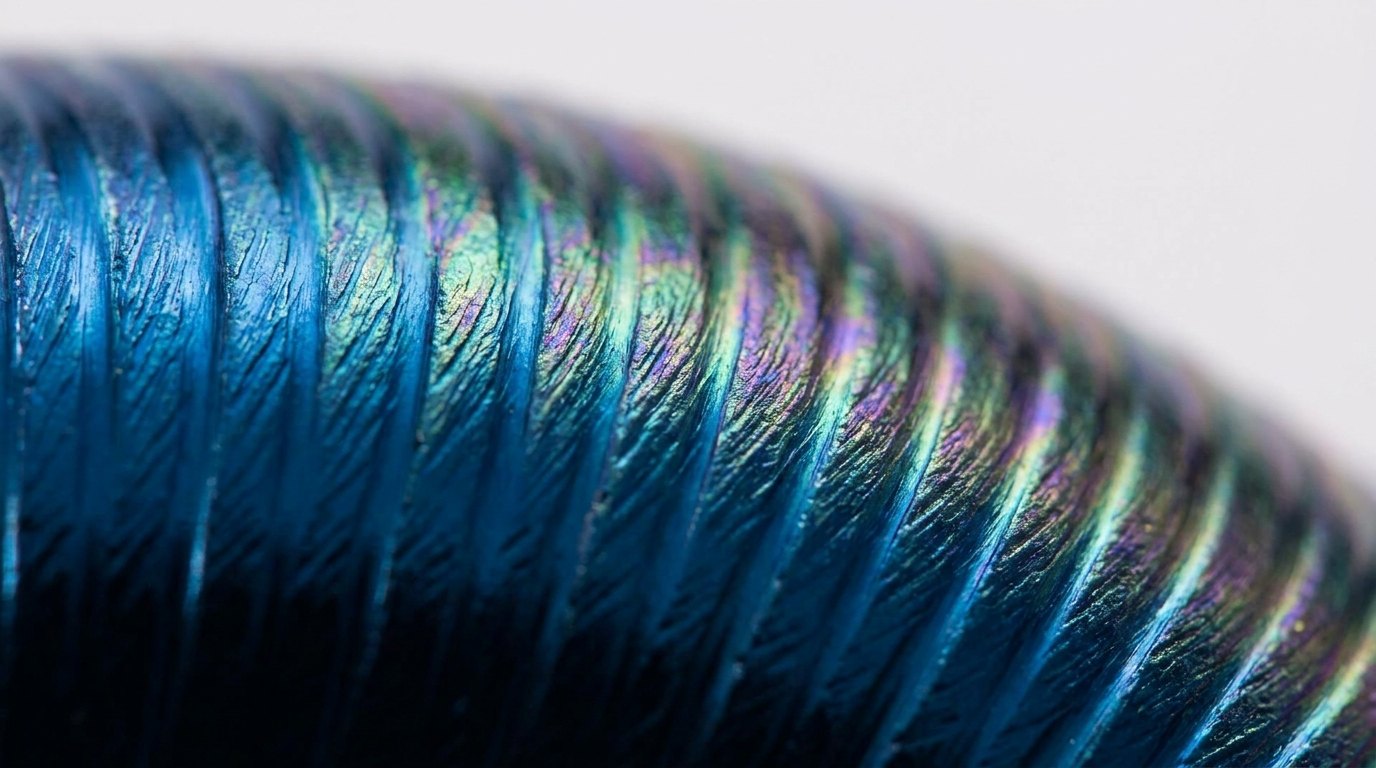
PVD coats a surface with a thin film of metal compound by vaporising a source material in a vacuum chamber and condensing it onto the part. The result is a thin, hard, chemically bonded layer that becomes part of the piece, not a paint, not a wrap, not a plating.
The process is dry: no acid baths, no rinse water, no heavy metals, RoHS and REACH compliant. It is, by some distance, the cleanest decorative coating method in mainstream use, and one of the hardest-wearing.
Decorative PVD
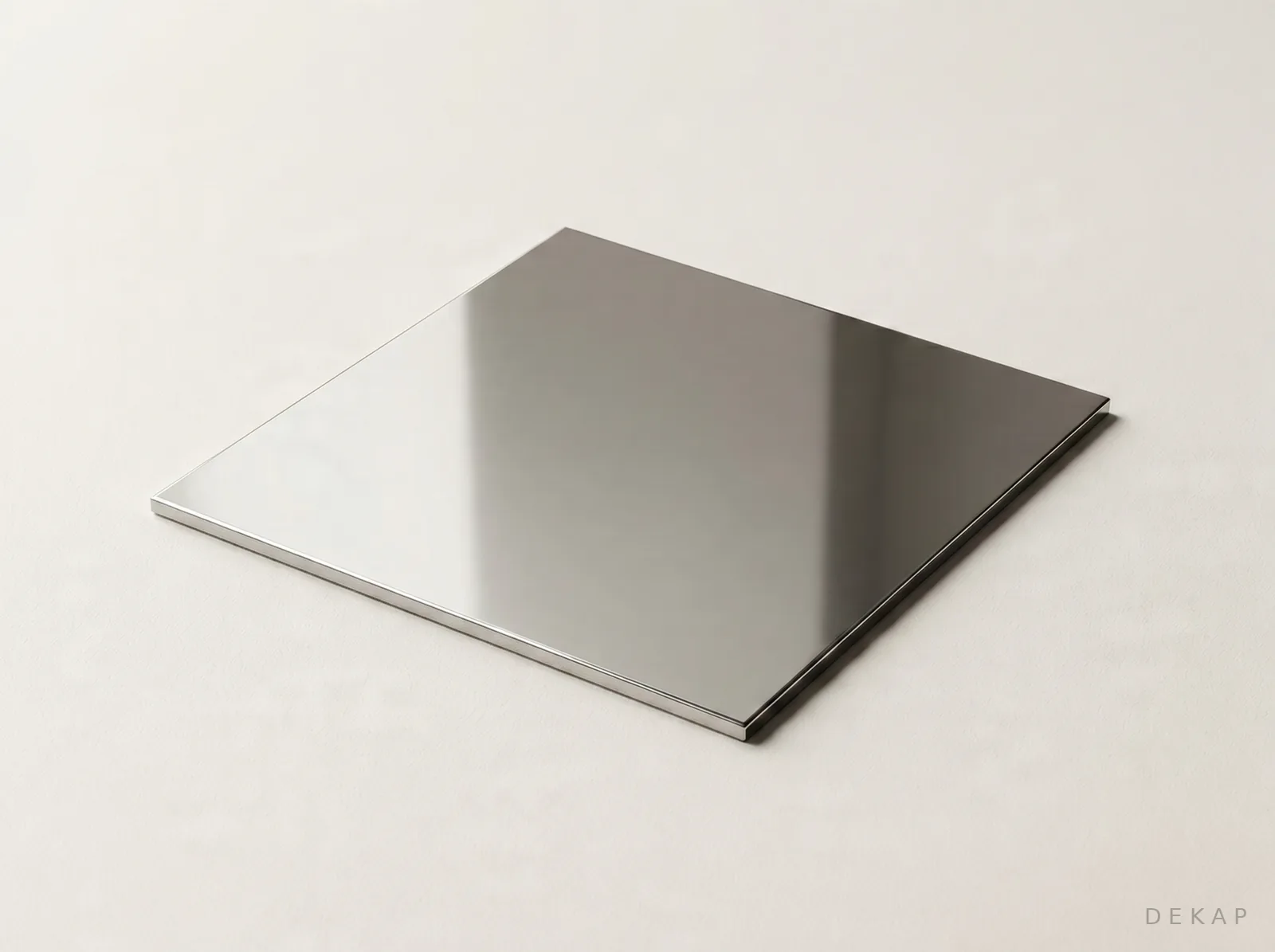
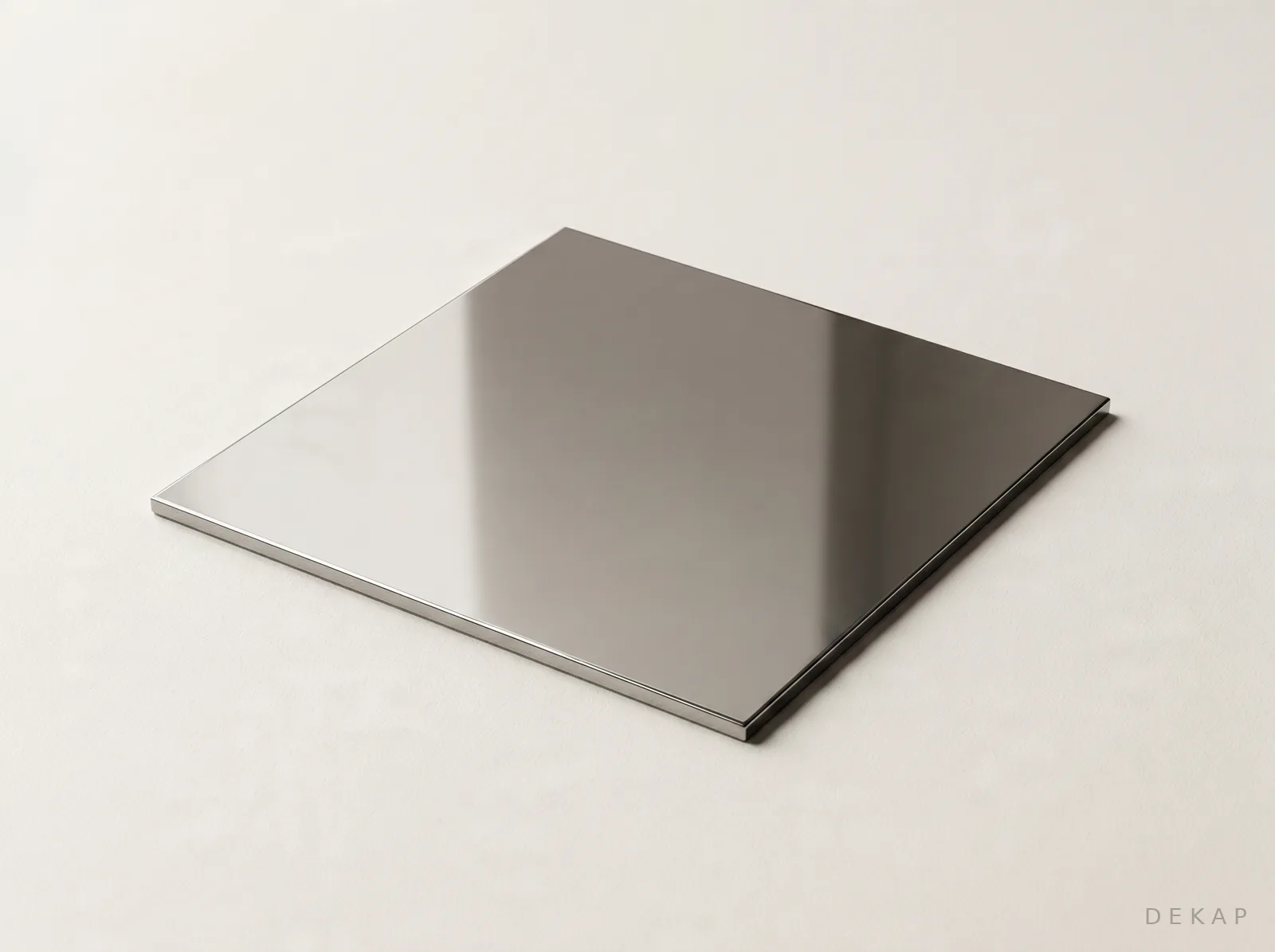
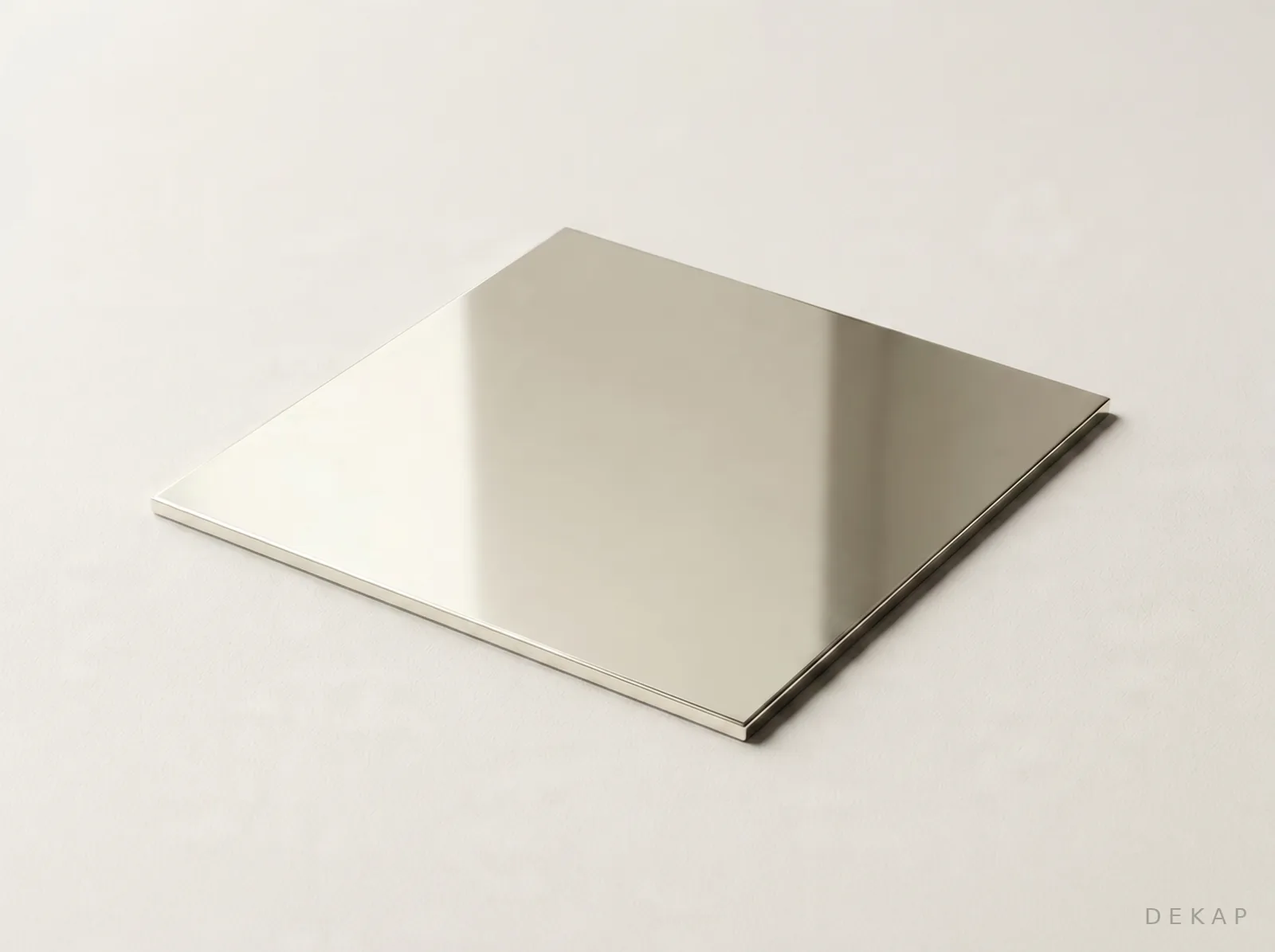
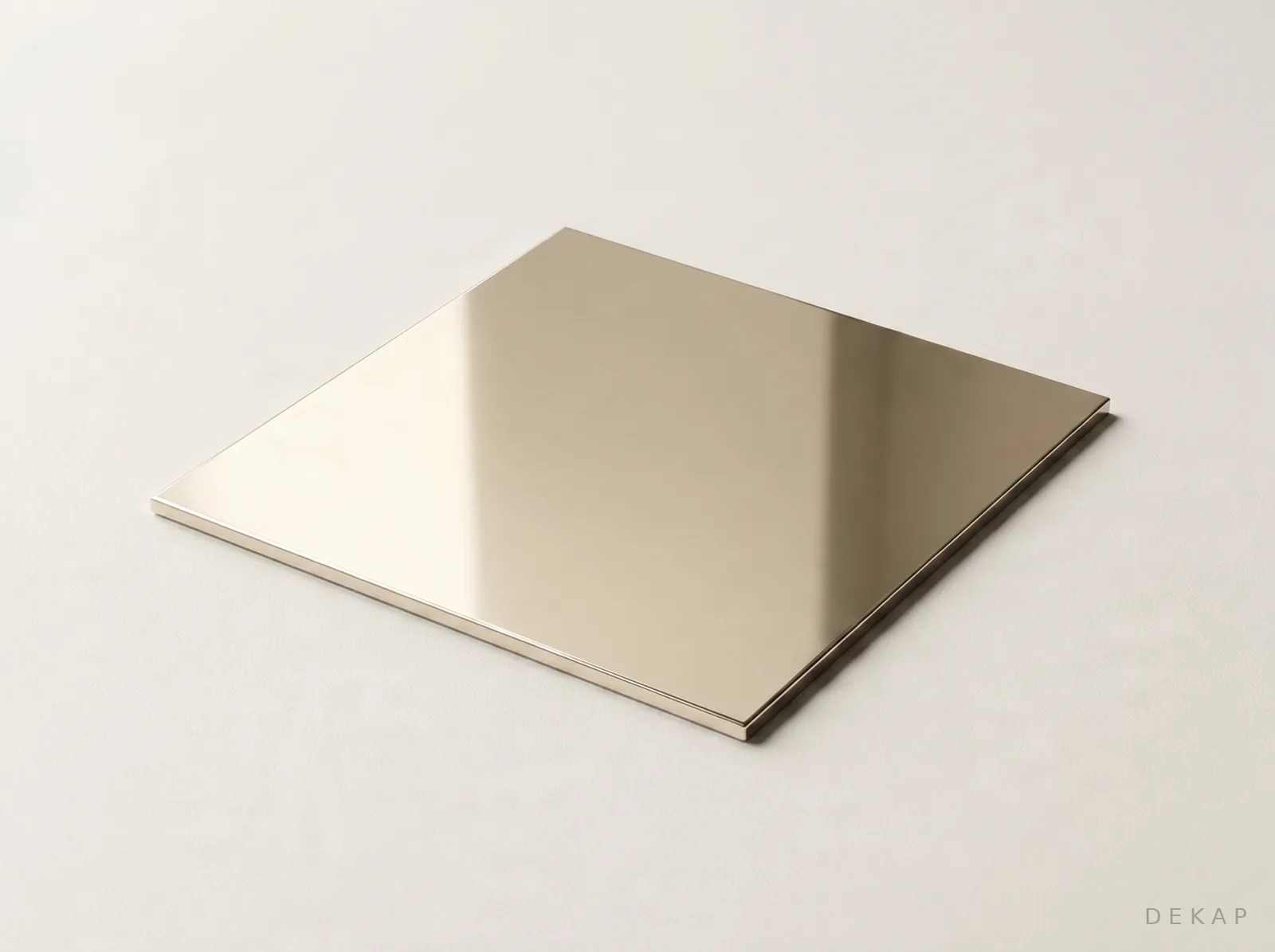
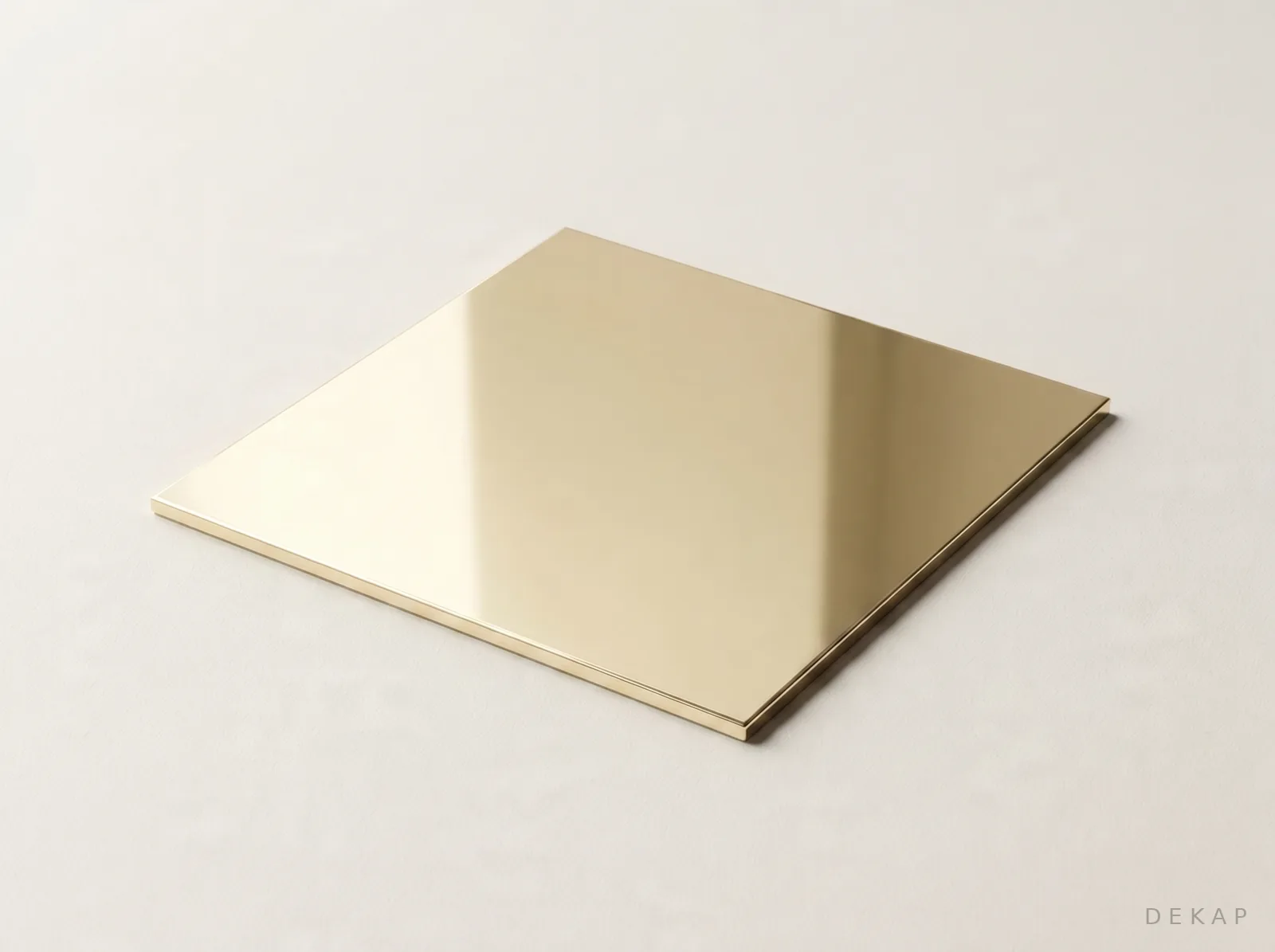
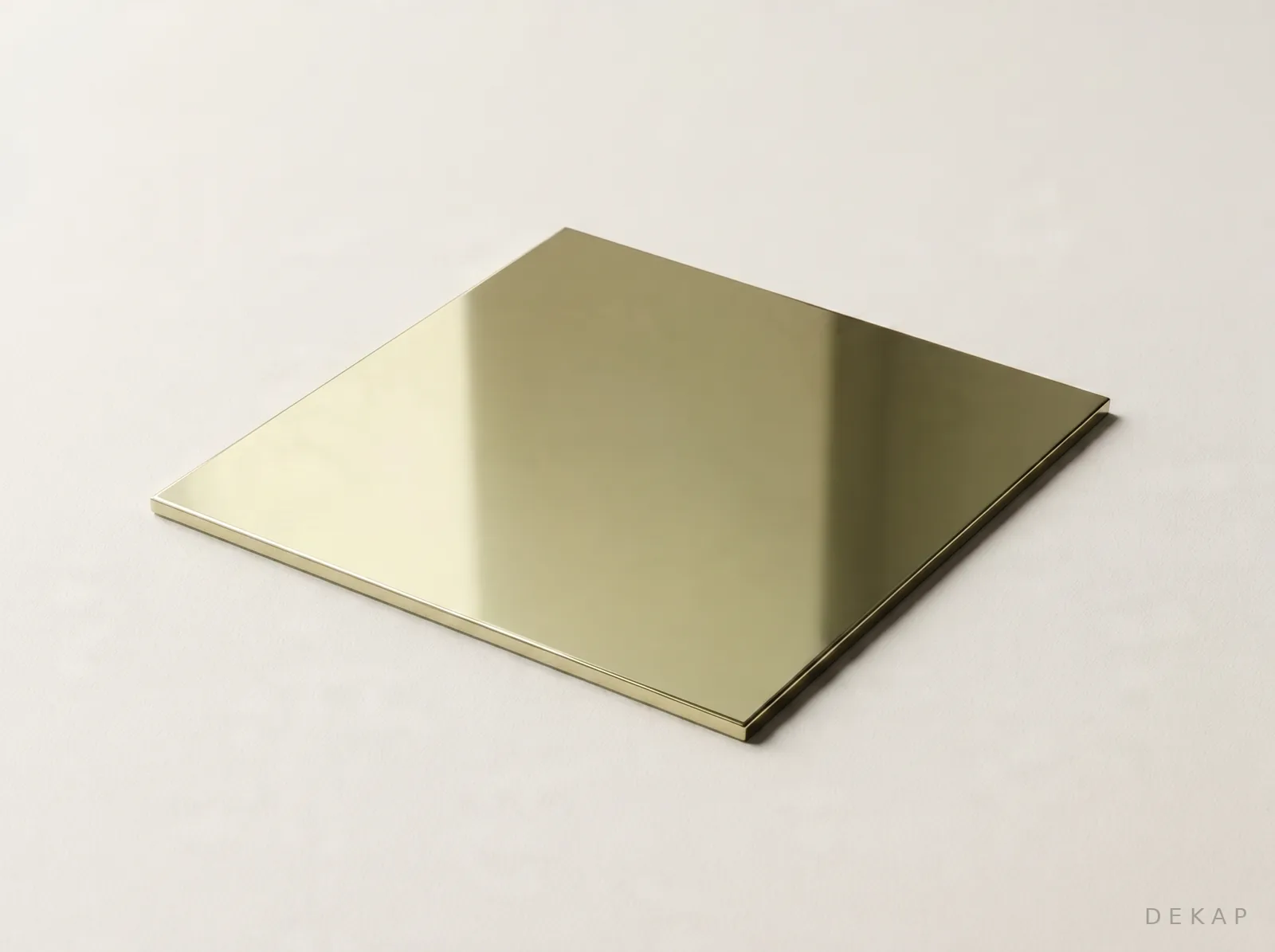
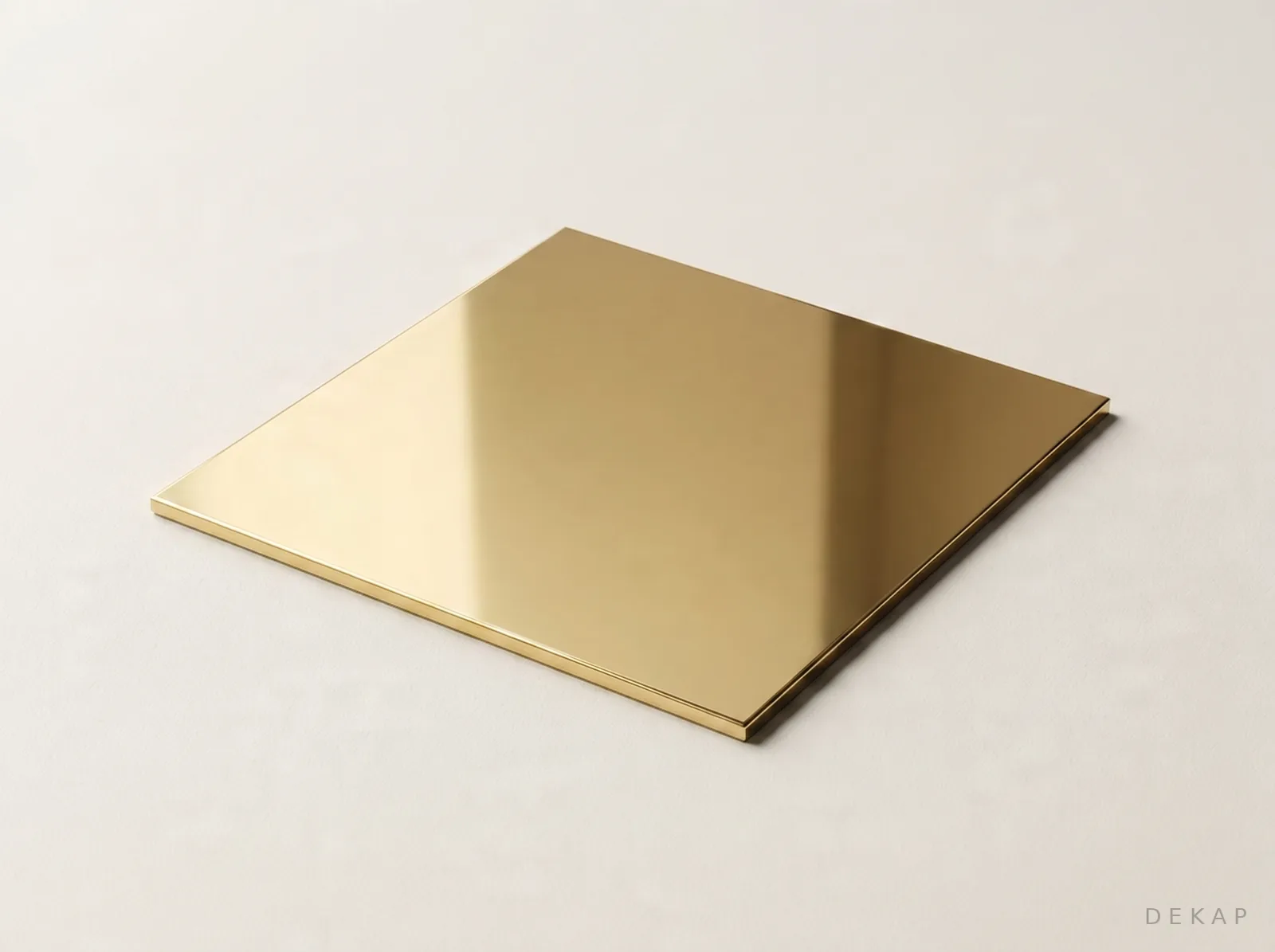
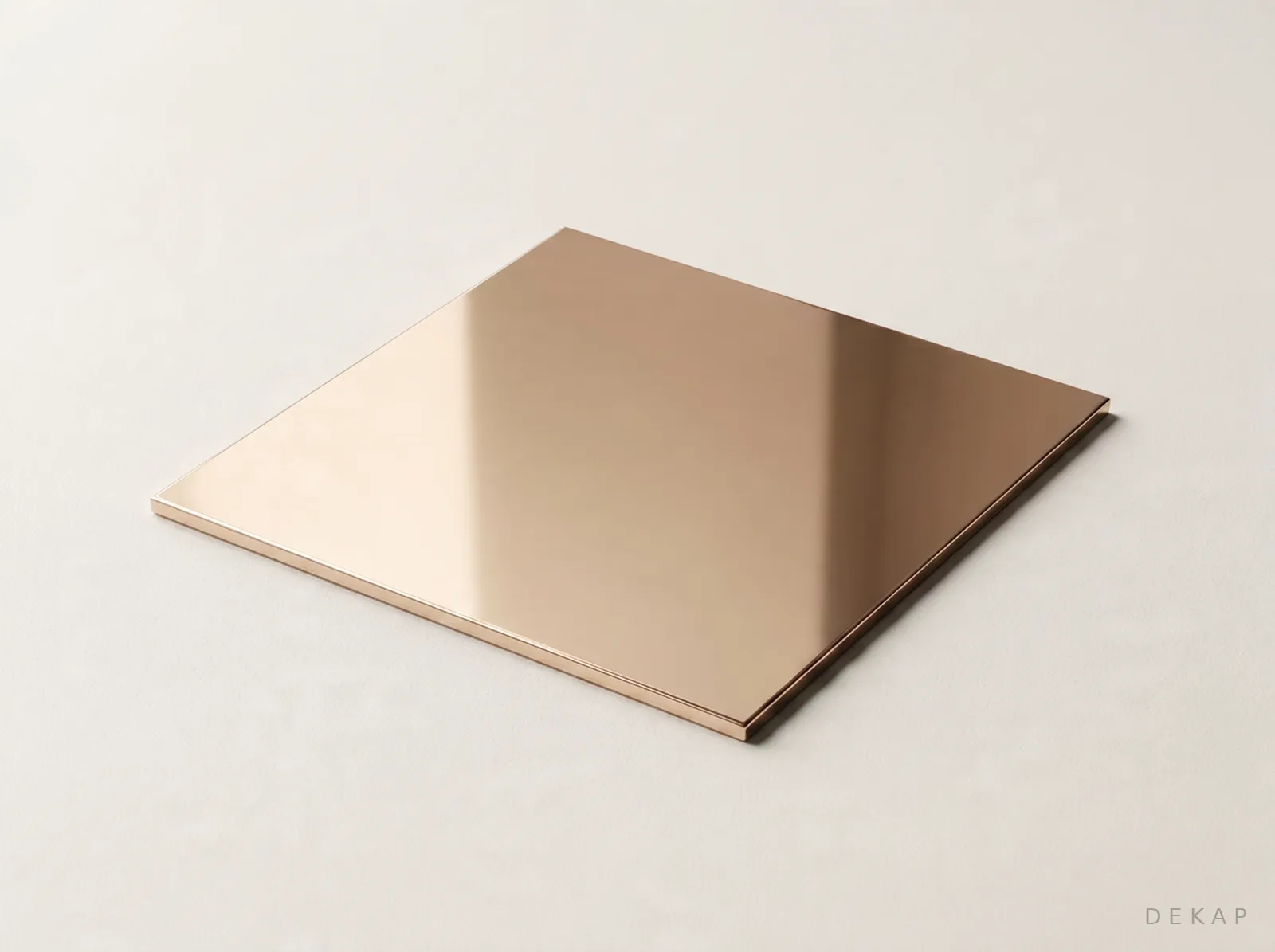
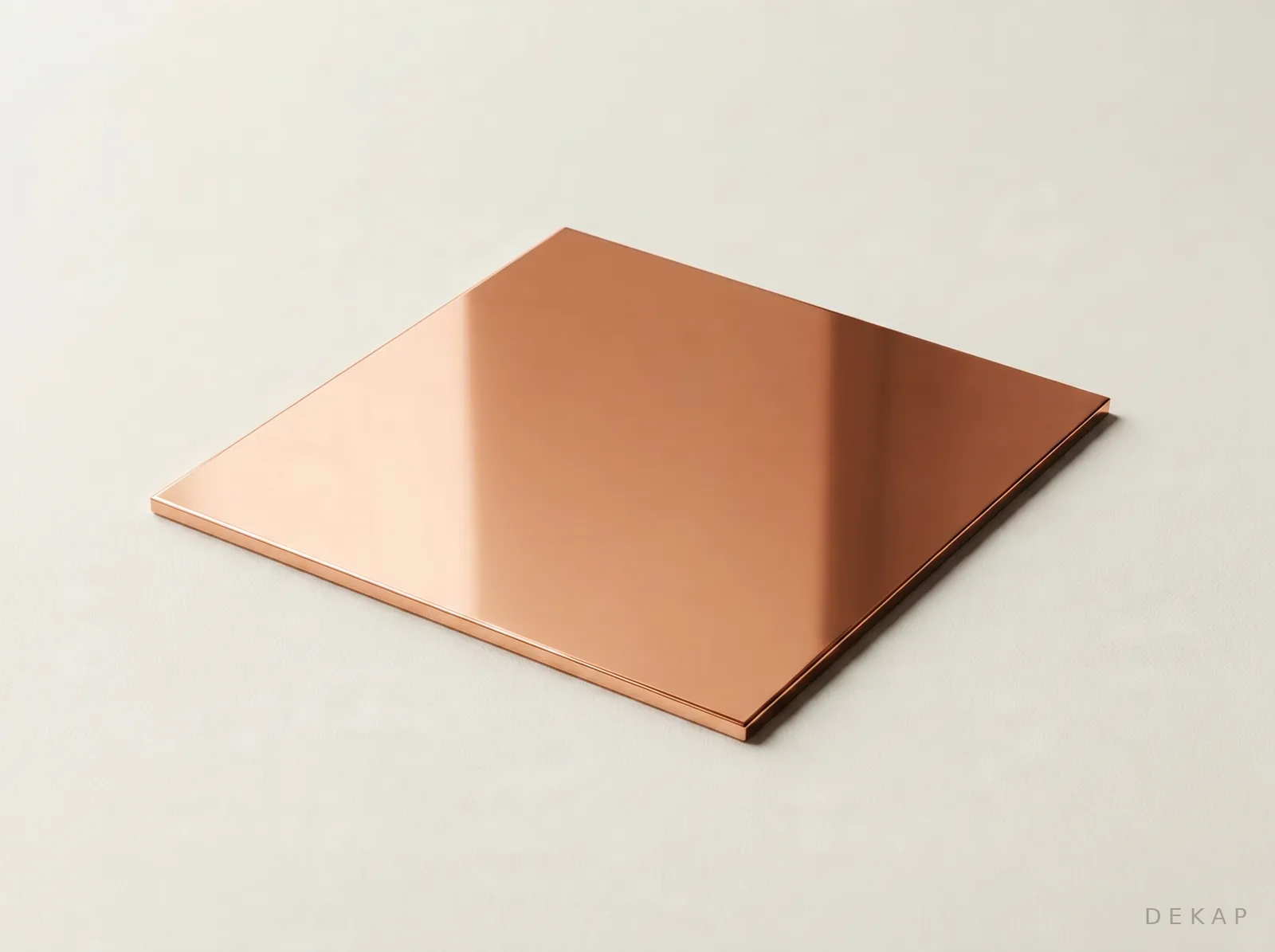
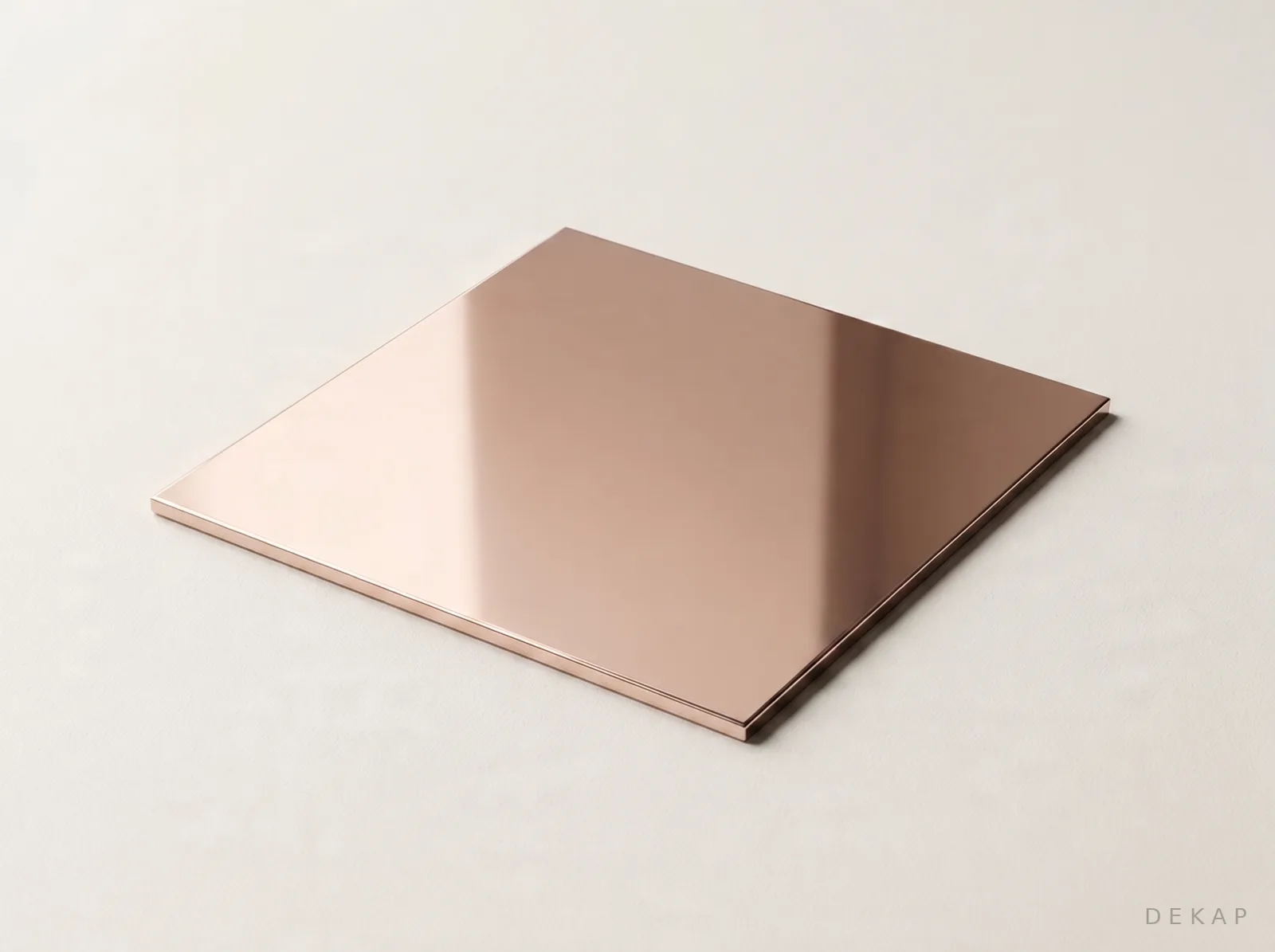
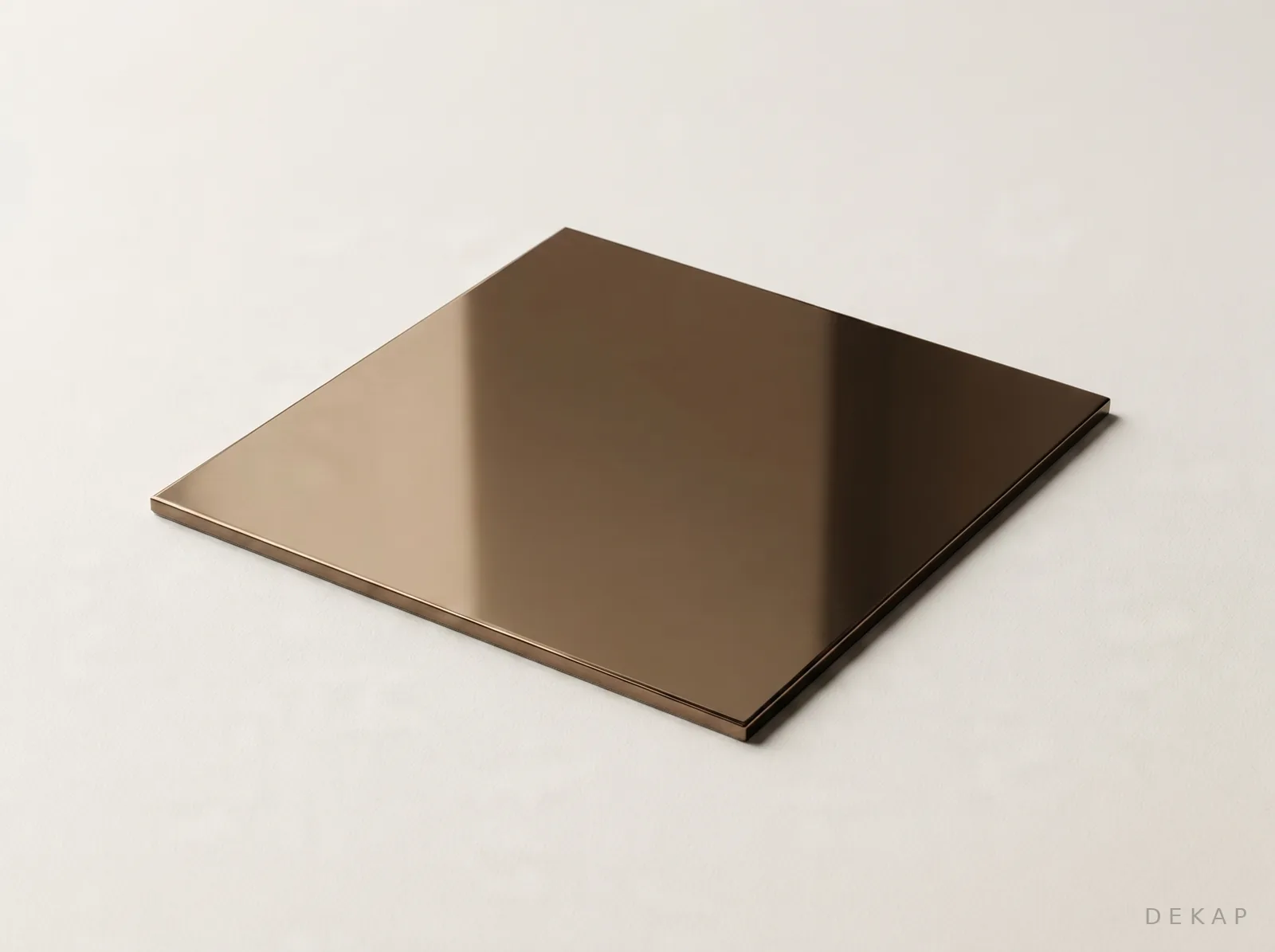
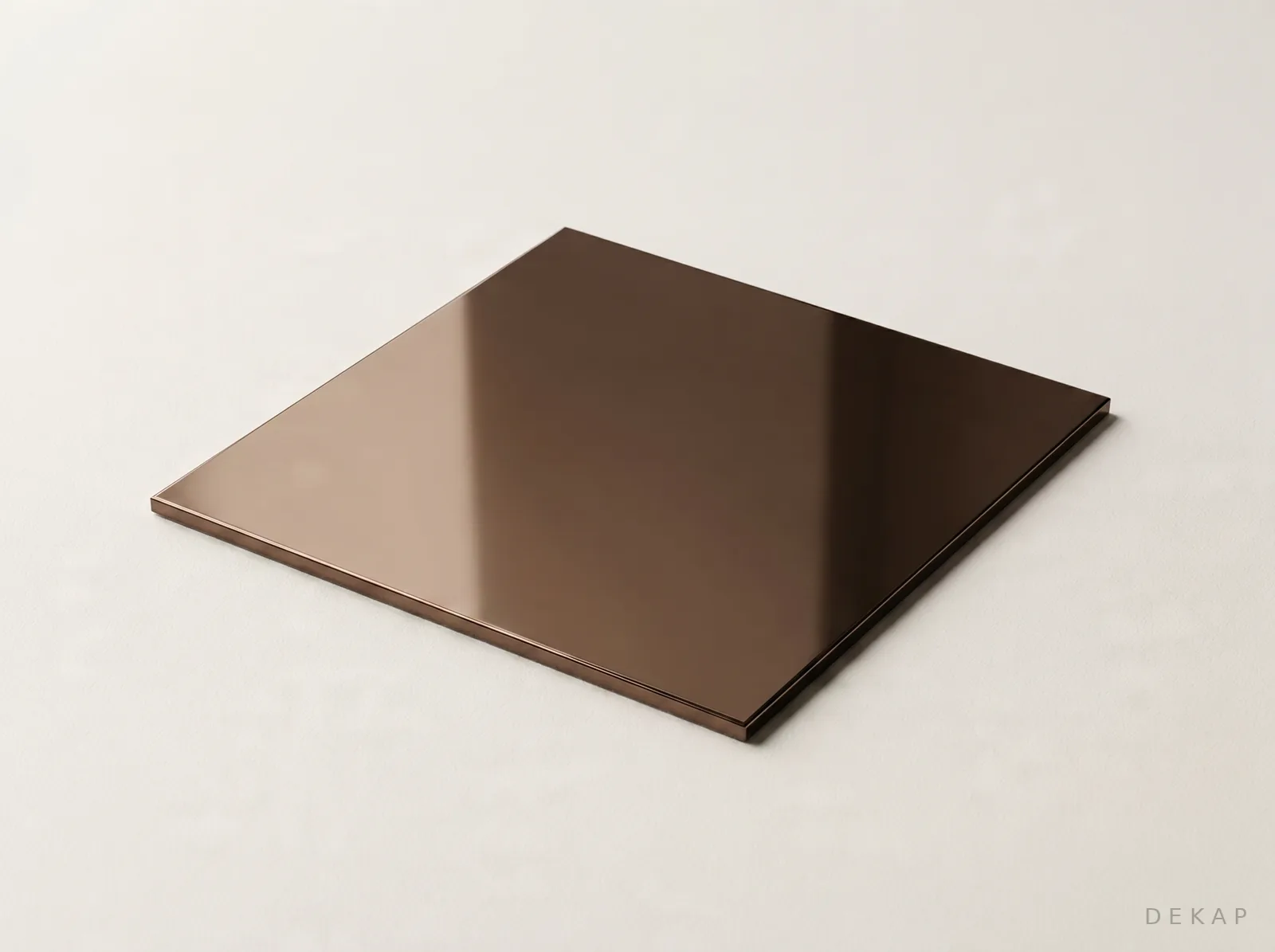
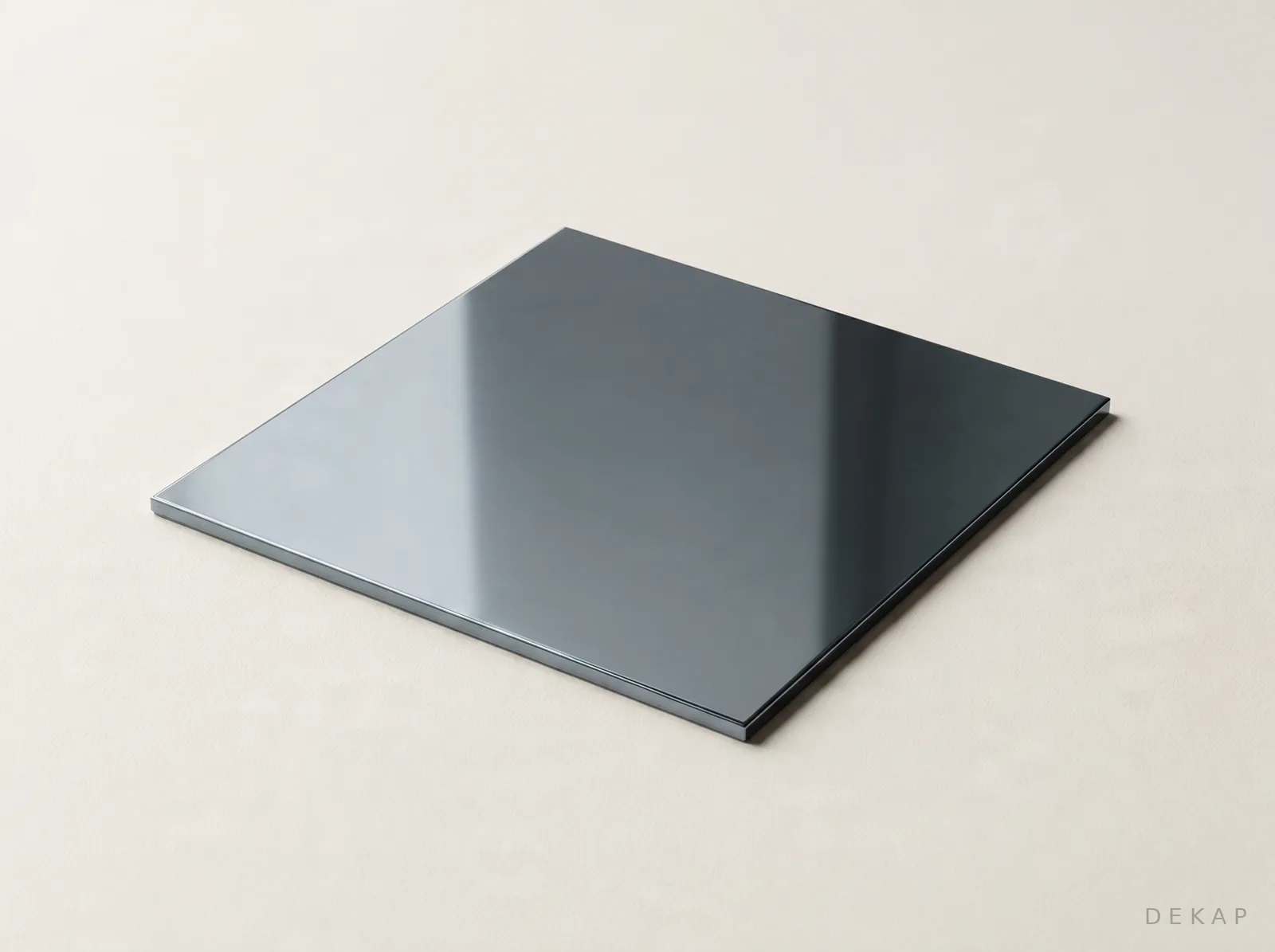
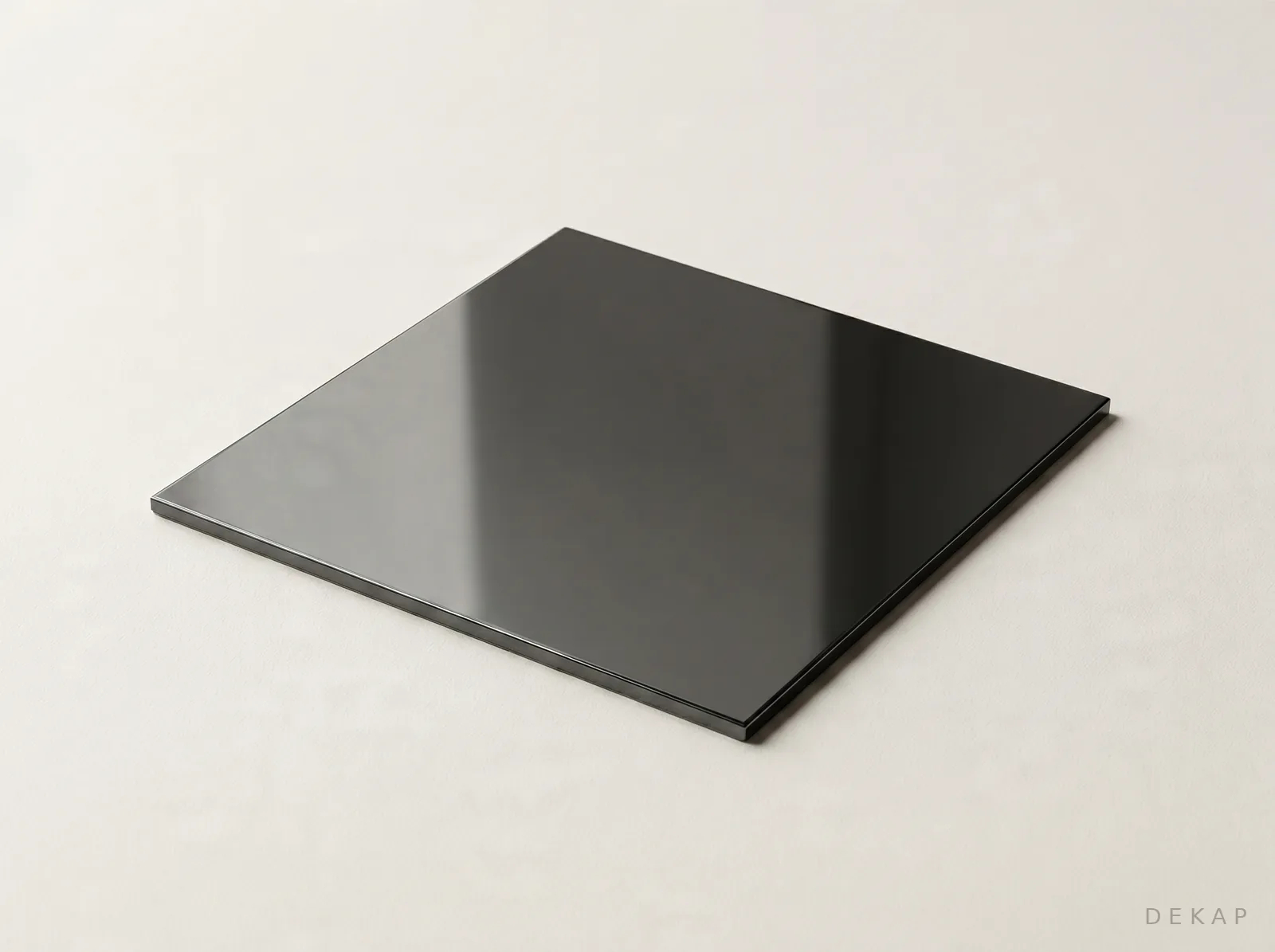
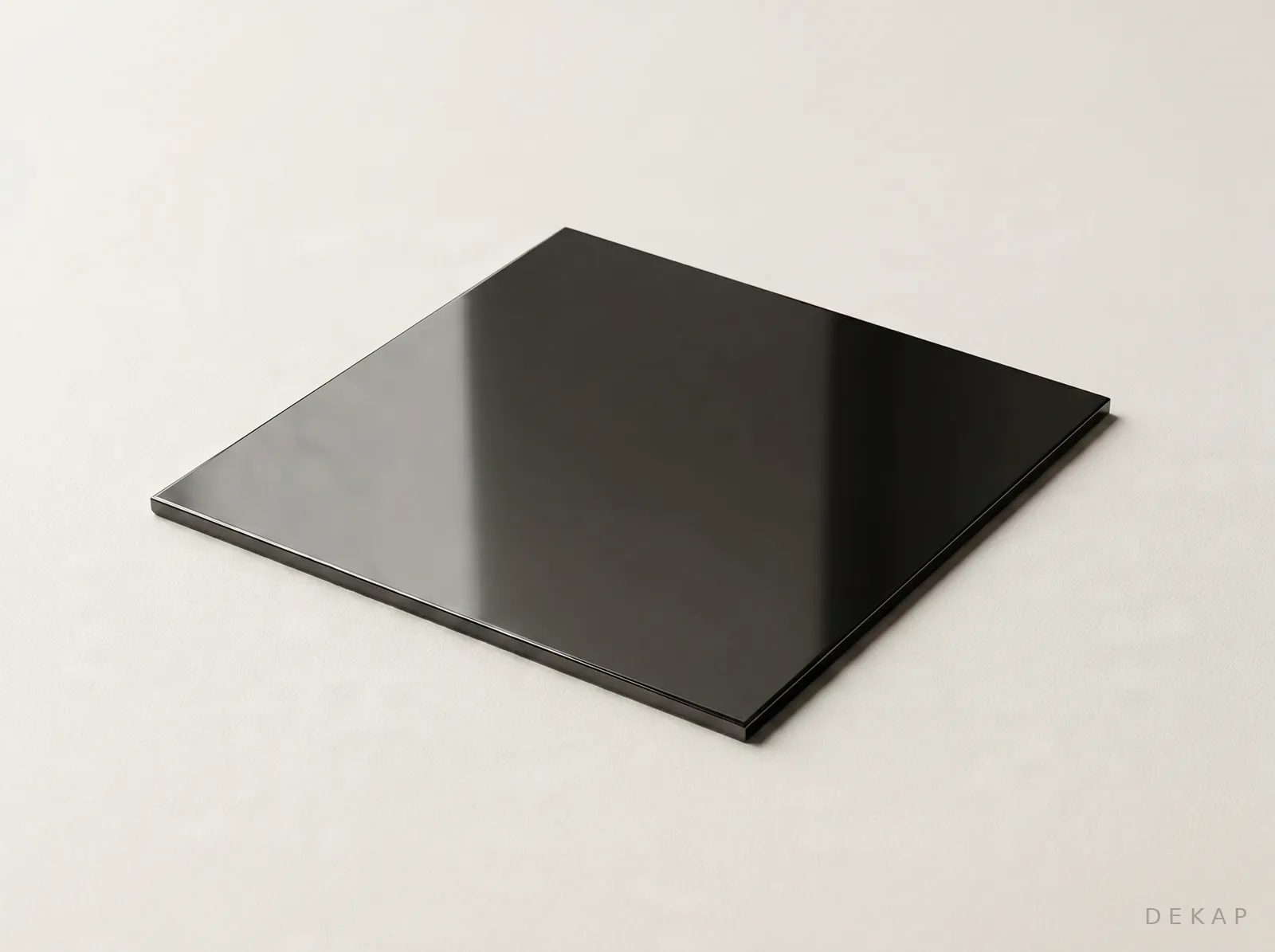
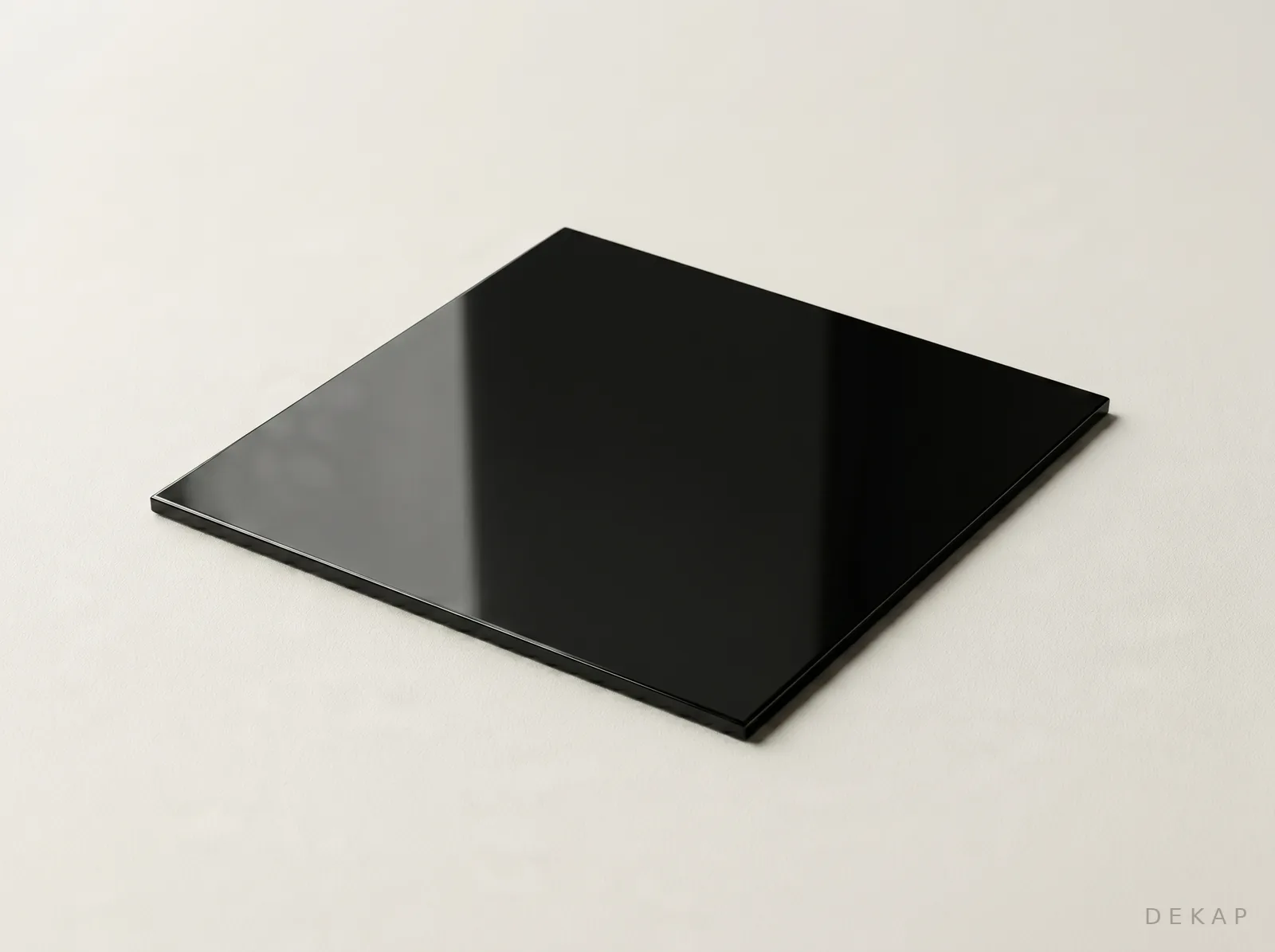
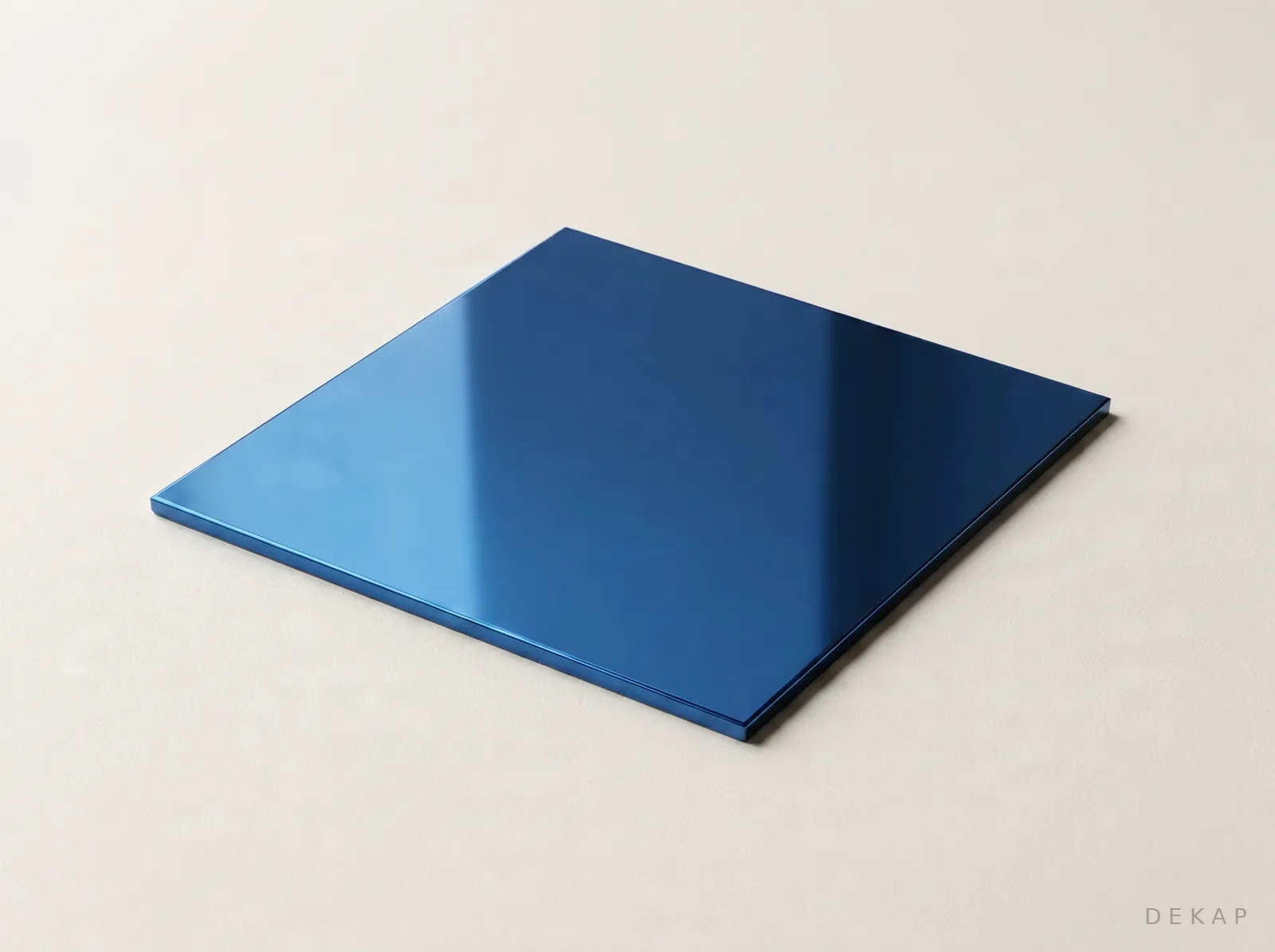
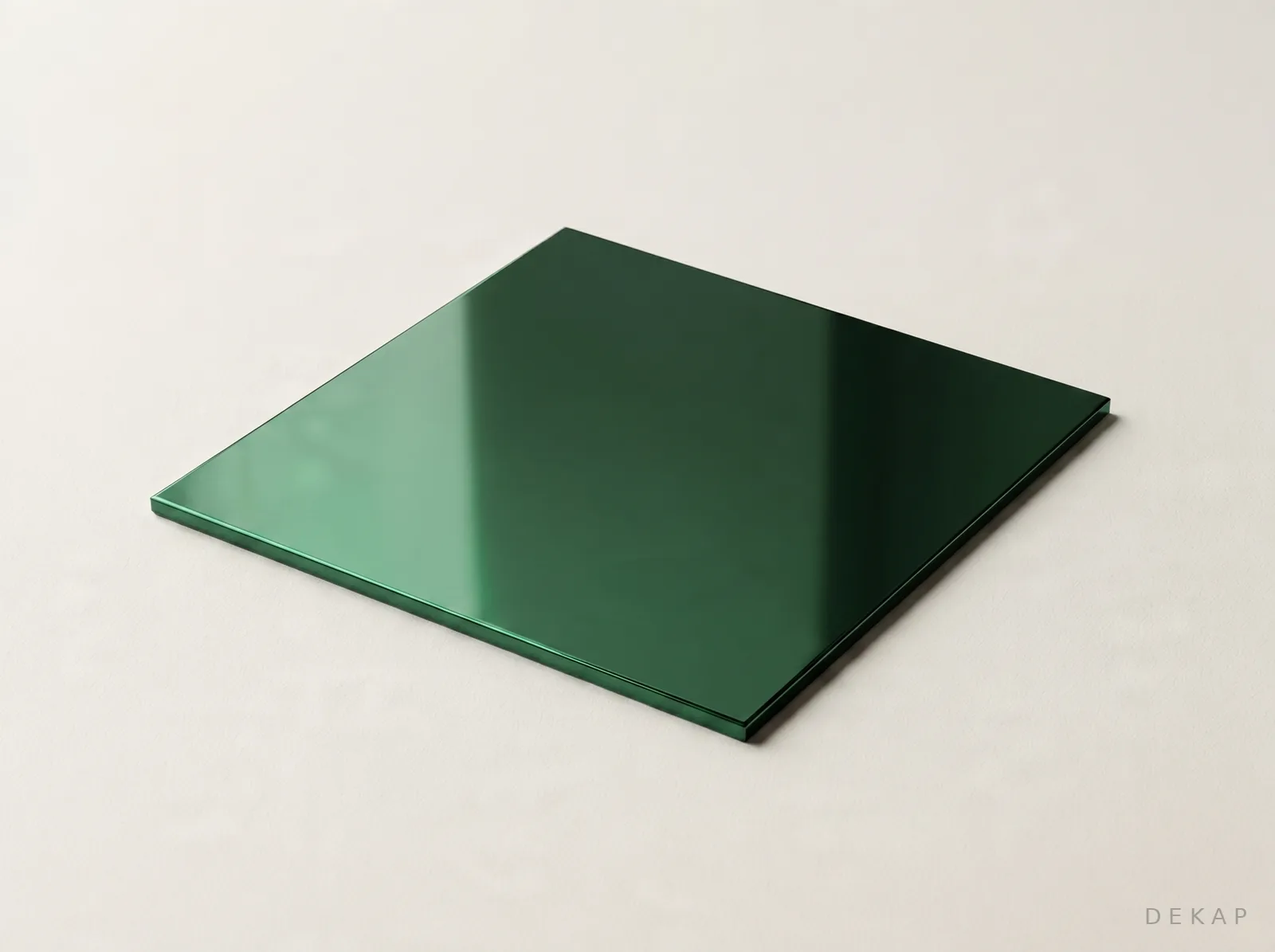
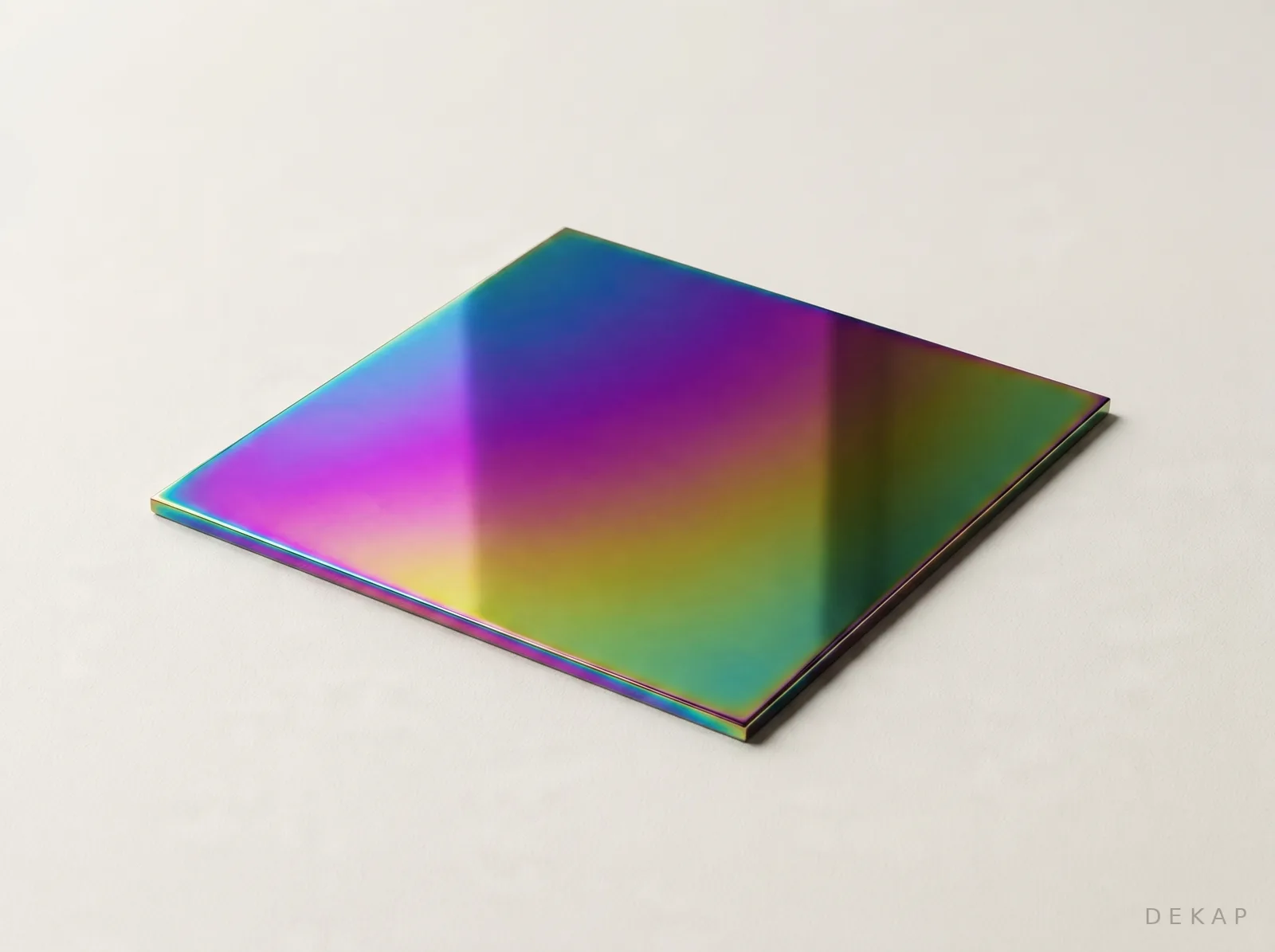
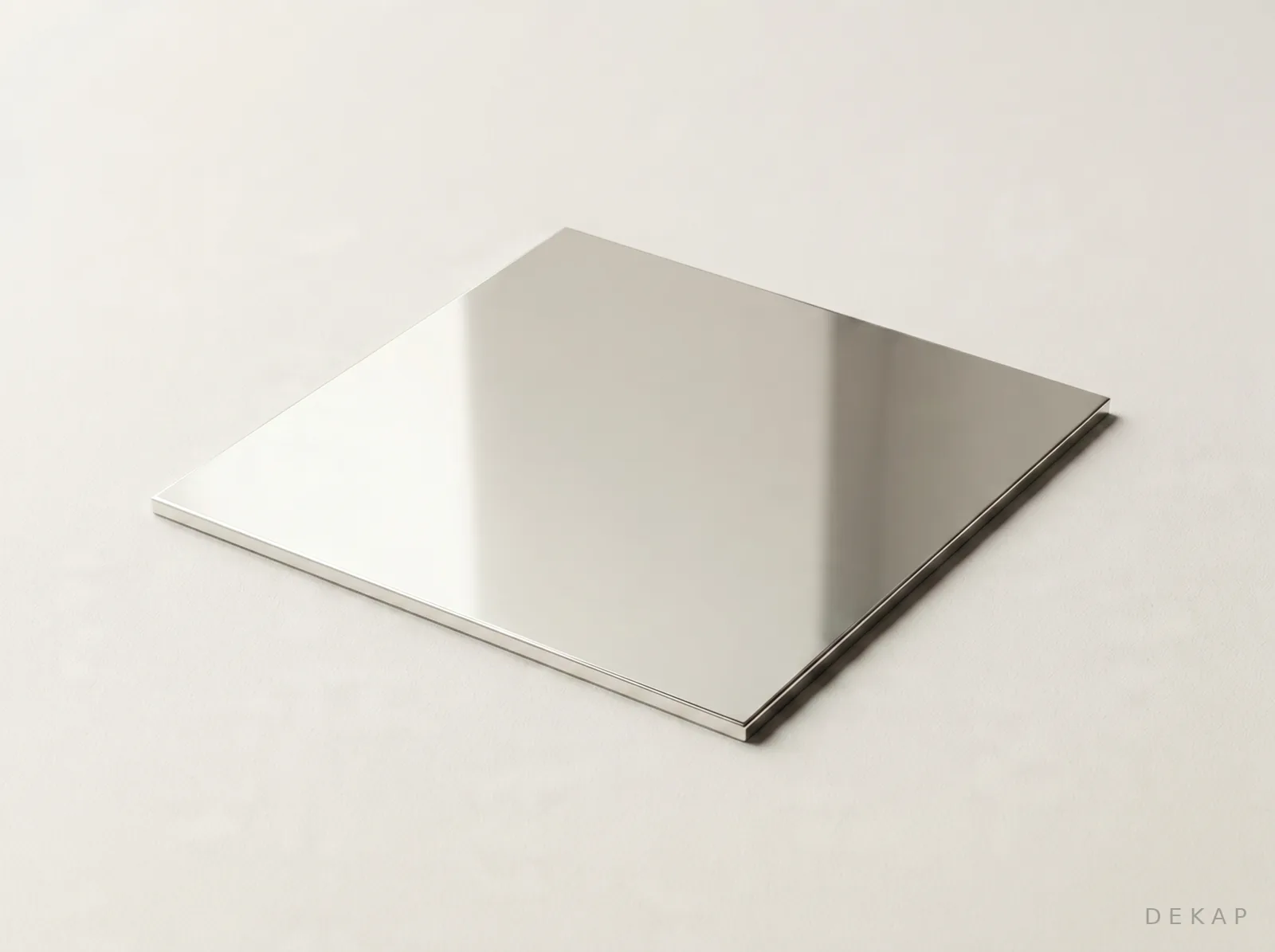
Across eight surface finishes, from super mirror to satin, brushed, hammered and etched, with patina and the Lustre Series™ and Untouched™ protection. See all PVD coating colours → Build a finish in the configurator → Read coloured stainless steel in architecture for how PVD colour works on stainless; for solid-metal and oxide finishes, read brass finishes, corten steel, blackened steel and copper and bronze patina in the Journal, plus stainless steel finishes, gold PVD vs gold plating and the guide to specifying a metal finish.
Functional PVD:
the coating families
DLC has a page of its own
The DLC family in depth: types (a-C:H, ta-C, tungsten-doped WC/C, Si-DLC), tungsten-carbide cutting-tool economics, DLC vs CVD diamond, and a full technical FAQ.
Typical values; exact hardness, temperature and friction depend on layer architecture, process and substrate. See also Technical for standards and QC, or compare the two on PVD vs DLC.
What we coat,
and where it goes
Colour & finish
Substrates: stainless steel 304 & 316/316L, brass, bronze, copper, titanium, nickel alloys, zinc and zamak die-castings.
Hardness & friction
Substrates: cemented tungsten carbide, HSS, cold- & hot-work tool steels, hardened & stainless steels, titanium, aluminium (proprietary bonding).
Surface preparation is critical, the coating reveals the substrate. We prepare, polish and mask to the finish each piece needs.
Setting up your own line rather than sending parts out? We also supply and install PVD coating machines, run helium leak detection and give plant consultancy. See PVD coating machines and plant consultancy.
PVD coating FAQ
What is PVD coating?
PVD (Physical Vapour Deposition) is a vacuum process that condenses a thin film of metal compound onto a surface. The result is a thin, hard, chemically bonded layer that becomes part of the piece, not a paint, wrap or plating. The process is dry, with no acid baths, rinse water or heavy metals.
Is PVD coating durable?
Yes. PVD layers are dense, hard and highly wear- and corrosion-resistant, far more durable than electroplating or paint, which is why PVD is used on watches, architectural hardware and cutting tools. On architectural stainless steel it keeps its colour for years, indoors and out.
Is PVD coating food-safe or bio-compatible?
PVD coatings are dense, inert and non-porous, which is why several are used in food-contact and medical applications. Chemistries such as TiN, ZrN and CrN are recognised as biocompatible and suitable for food contact, and DLC is chemically inert. We select the right chemistry and support the relevant testing for the application.
PVD vs electroplating, which is better?
PVD is harder, more wear- and corrosion-resistant and far cleaner: no hexavalent chromium, nickel salts or cyanide chemistry, and no effluent. Electroplating can be cheaper for some parts, but for colour stability, durability and environmental profile PVD is the stronger choice.
Which colours can you PVD coat?
Nineteen standard colours on a super-mirror base, plus custom: stainless, titanium, nickel, champagne, light gold, brass, gold, red gold, copper, rose gold, bronze, chocolate, gun metal, anthracite, black, DLC black, blue, green and rainbow, across eight surface finishes.
Which substrates can be PVD coated?
Stainless steel 304 and 316/316L, brass, bronze and copper for decorative work; HSS, cemented carbide, tool steels, titanium and (via our proprietary bonding) aluminium for functional work. Surface preparation is critical, PVD reveals the substrate beneath.
What functional PVD coatings do you apply?
The full industry-standard range: TiN, TiCN, TiAlN, AlTiN, AlCrN, TiAlCN, CrN, CrCN, ZrN, ZrCN, TiO₂ and DLC, selected by application, substrate and operating conditions for hardness, low friction, thermal stability and tool-life extension.
Can you coat 316 stainless steel for marine use?
Yes. 316/316L marine-grade stainless with corrosion- and salt-resistant PVD finishes, salt-spray tested to ASTM B117 / ISO 9227.
How thick is a PVD coating?
Decorative PVD is typically 0.25–3 microns; functional PVD is typically 2–10 microns depending on the family and application. The layer is measured and documented per batch.
Can you PVD coat aluminium?
Yes, via our proprietary pre-treatment and bonding system (patent pending), which prepares aluminium for a durable PVD layer where standard processes struggle.
What is the lead time and minimum quantity?
Typically 2–4 weeks for a first project and 1–2 weeks for repeat batches. Quantity is open, from a single bespoke piece to a high-volume series, agreed per order.
Does the colour fade or scratch?
PVD colour is integral to the coating, not a surface tint, so it does not fade like paint. The layer is hard and scratch-resistant; an optional anti-fingerprint Untouched™ treatment is available for high-touch pieces.